
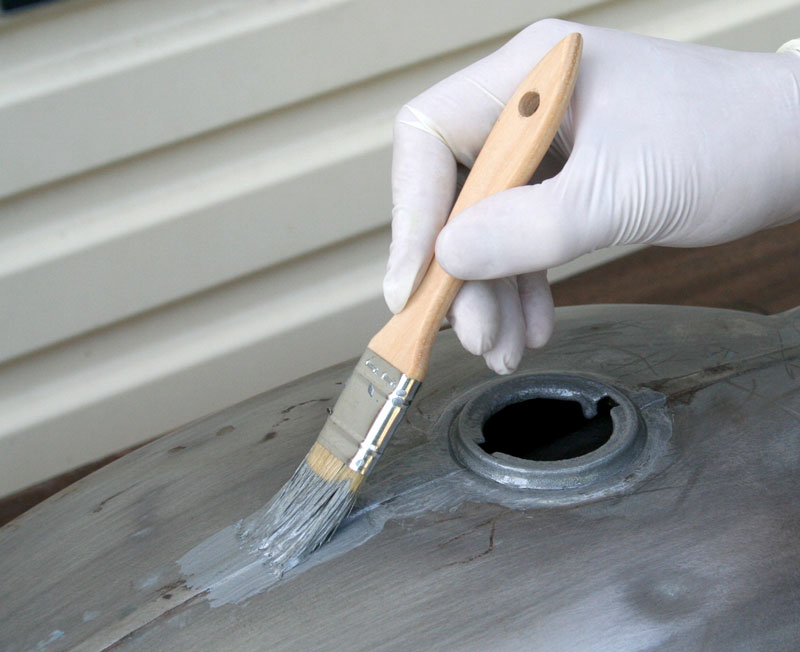
Exterior water tanks need care. They get exposed to unfavourable elements like moisture, heat and rain. These elements can damage the walls over a period of time. Untreated tank walls develop moulds and dampness.
Cracks in walls can lead to long term damage to your health as well. To overcome the damage, you should waterproof it. Damaged water tank walls are easy to treat using water tank sealant paint.
- It is important to treat the damaged part on time to avoid inconvenience and leakage.
- It is important to select standard grade water sealant.
- Follow the right procedure to apply a sealant to the affected area in the tank.
- If unsure, seek help from a professional.
1. Check For Faults
Before applying, check with faults on the inner and outer surface. Close monitoring is essential. Check for dampness as this indicates damaged area. Mark the damaged area and then look around for sealant product.
Use specific water tank sealant paint if cracks are minor. For the damaged surface, you should consider repairing in advance. Keep in mind that paint may offer the best sealing if the surface is not damaged.
2. Clean Surface
The application surface if not clean is difficult to treat. Before applying water tank sealant paint you have to clean the surface for dust and debris. You can clean the surface with water and then let it dry well.
If dust and debris is not cleaned then the sealant paint will not be effective. A dry surface will also prevent further damage to the affected surface. It will also prevent leakage in the future.
3. Use Standard Product
If you search, you will come across hundreds of water tank sealant paint. It is better to select one that is the best product. Focus on manufacturing company. If the paint is good quality it will offer with long term results.
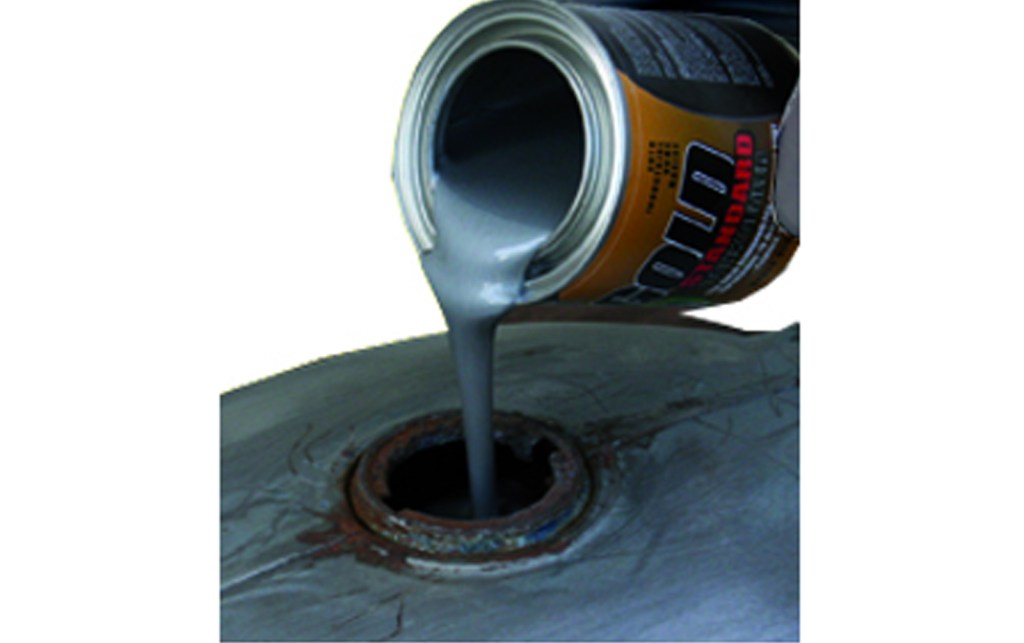
The low-quality product will never guarantee effective results for the long term. You can go through the reviews of different quality products available online. Check with customer ratings and then select standard product.
4. Use Standard Plaster Material
Good quality waterproof sealant product is not plaster based. Before applying sealant, you have to plaster the surface. This will ensure the sealant lasts for many years. Plaster material will offer the sealant with the best grip.
Plaster will ensure that the surface will not leak. You have to prepare the surface before applying water tank sealant paint. This technique is good for long term results.
5. Natural drying
Before you apply the sealant, allow the surface to dry well. The natural dry method is best preferred. Once the plaster dries out, you should clean it with a dry cloth.
This will ensure that the sealant will spread evenly on the surface. It is important to check with the surface before applying the sealant.
Once the surface is dry, you can now apply a single coating of the sealant paint. In general, two or three coatings are advisable for standard grade sealant. You can fill the tank with water only if the sealant paint is dry completely.
 Information World