
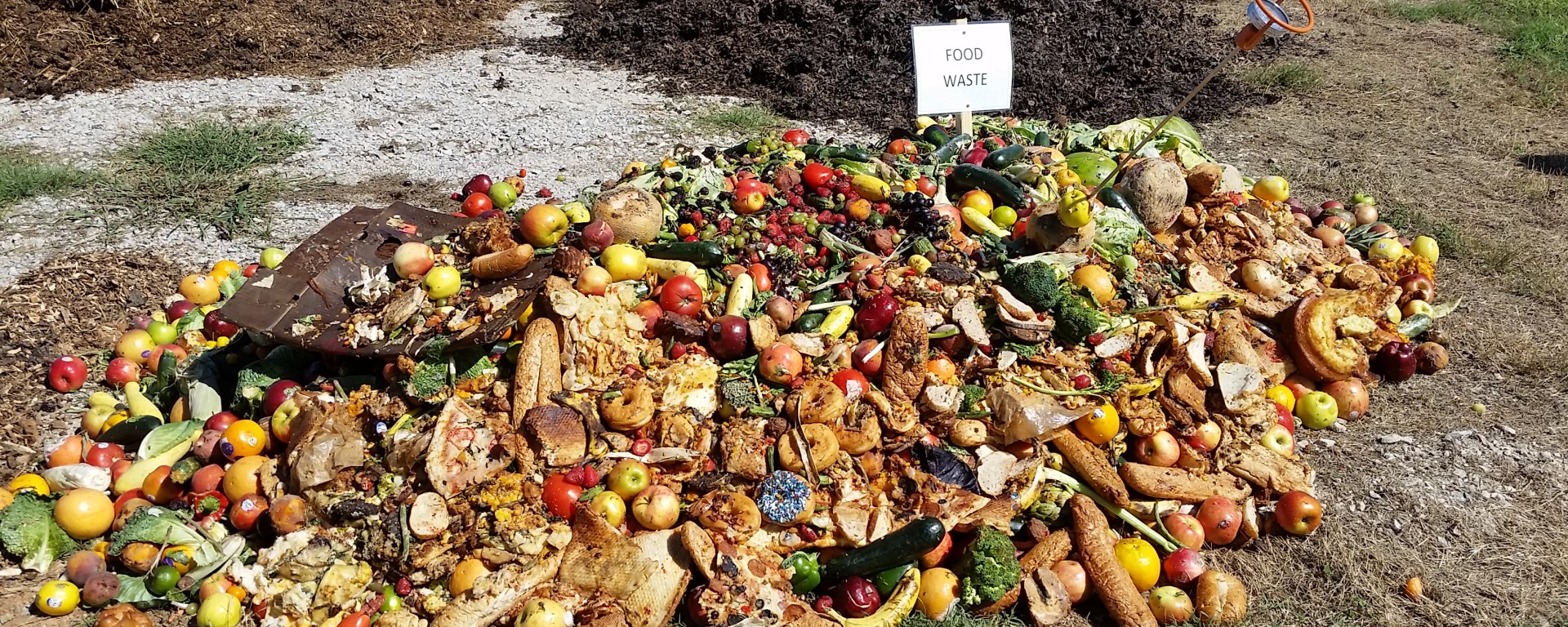
Food waste happens when food that enters consumers is not eaten but instead discarded. This wasted food is not processed and ends up in landfills. As a result, wasted food constitutes the majority of waste that ends up in landfills.
Food waste recycling is also important because it has a negative impact on the environment. Every day, discarded food is thrown away, and it accumulates in landfills. Rotten food degrades over time, producing methane, a greenhouse gas that is extremely detrimental to all living things on Earth. Here are significant reasons for food waste recycling.
Save on Operating Costs
When you introduce food waste recycling for your company, you should also perform a waste audit. Waste audits allow you to identify places for change as well as which foods are being thrown away the most. A waste audit, for example, could inform you that one of the items on your restaurant’s menu should be eliminated because you often discard the ingredients purchased for it. Alternatively, you could discover that your workers may be using ingredients more effectively, allowing you to introduce a new training program that could reduce food waste in your company.
Be More Environmentally Responsible
Any company that uses food regularly, such as restaurants, grocery stores, schools, and food distributors, will help the environment by implementing a food waste recycling program. Food recycling performs many important functions by allowing waste to be repurposed in several ways, such as feeding livestock or composting. In addition, the anaerobic digestion process used to recycle food can be used to produce energy, reducing the need for electricity generation.
Enhance the Image of Your Company
Adopting food waste recycling is an excellent way to improve the credibility of your company. You will create a positive press and an environmentally friendly reputation for your business by showing that less of your food waste ends up in the dumpster and that more of it is put to good use.
Improve Your Business’ Image
A lot of energy is used in the farming, manufacturing, and processing of food that is never eaten. However, recycling food correctly will assist us in reducing waste. Furthermore, reducing the amount of food we consume would have a positive effect.
We may reduce demand by food waste recycling that would otherwise go to waste, such as food that is misshapen or hurt. As a result, fewer resources are needed.
It Has The Potential To Be Used As Both Energy And Fertilizer.
Food waste does not have to end up in a landfill. We should recycle food waste so that it can be used to generate energy or fertilizer.
An anaerobic digester is used in the industrial process of converting food waste into energy or fertilizer. Without the need for oxygen, microorganisms break down the food. Food waste recycling produces biogas, which is a methane and carbon dioxide mixture. This can then be used to produce heat, transportation fuels, or electricity. It is a fully renewable energy source.
We can then use the power in nearby homes or feed it back into the national grid. In addition, the anaerobic digester can create a biofertilizer. This can then be applied to farming.
The collective efforts are making a difference and pointing the way forward. Nonetheless, much too much food is thrown away, resulting in a slew of issues such as global warming and squandered funds. The reality is that food is a necessity, not a privilege, and we should not waste it.
 Information World